Strata Plumber in Sandstone Point
Finding a strata plumber Sandstone Point unit owners can rely on comes down to one question: whose pipe is it? Units and townhouses share walls, water lines and drains, so one fault can have several possible owners. Local Sandstone Point Plumbing works across Sandstone Point and the suburbs around it, and every job is done by a licensed plumber who reads the scheme plan before touching a fitting.
If we're late, $100 comes off your bill

- Licensed and InsuredEvery job done by a licensed plumber. QBCC No: 15024607
- Fixed Quote FirstFlat-rate pricing, agreed before any work starts
- Lifetime Labour WarrantyBacked by our Fix-It-or-It's-Free guarantee (T&Cs apply)
- $0 Call-Out FeesNo extra charge for nights, weekends or public holidays
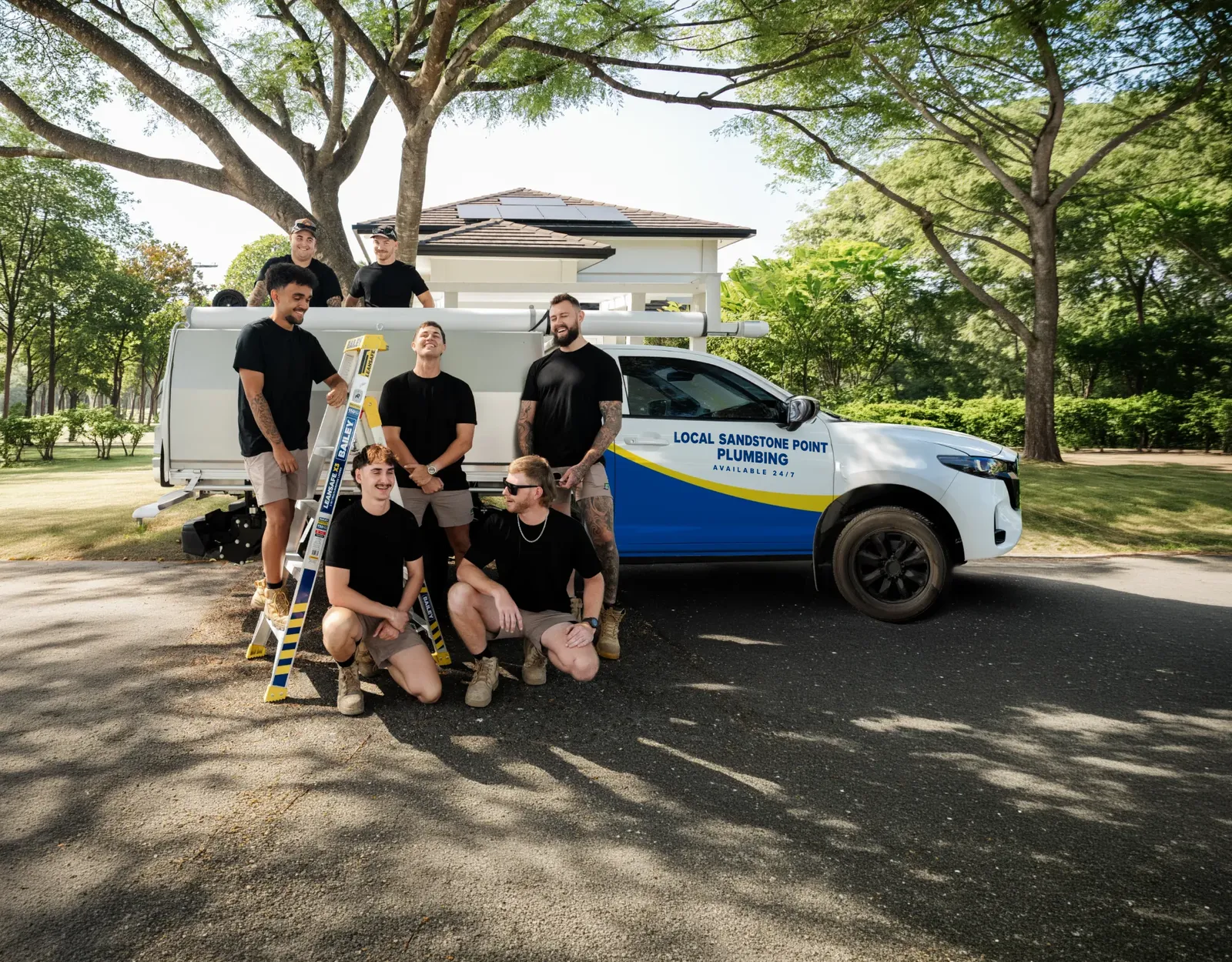
Body corporate plumbing rules decide who fixes what. This page sets those rules out in plain terms for lot owners, tenants and townhouse owners booking work on their own home.
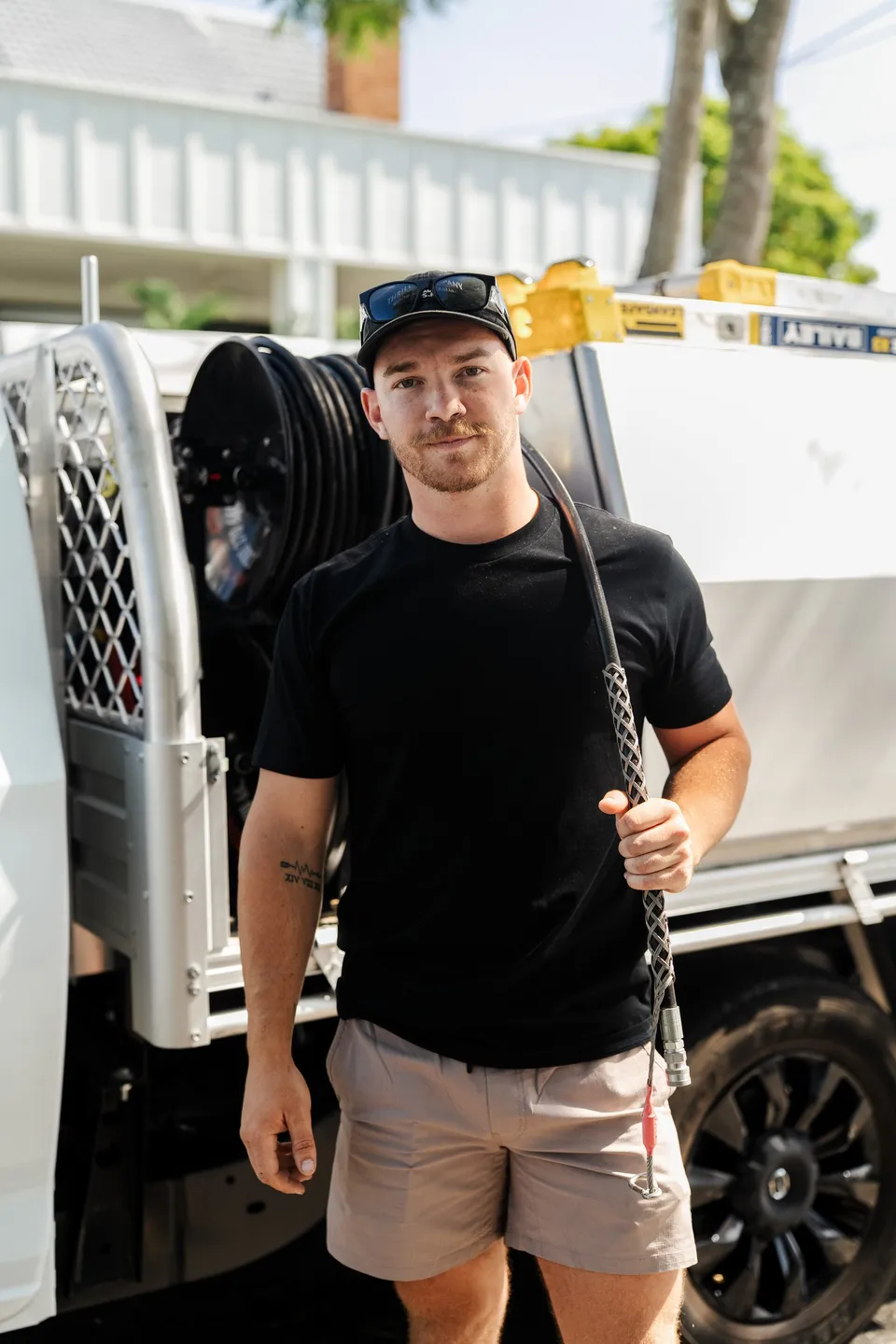
Who Looks After the Pipes in a Unit Block
The body corporate maintains shared utility infrastructure; you look after a line that supplies your lot alone, runs inside its boundaries and sits outside every boundary structure.
A lot means the unit or townhouse held in your name under Queensland's community titles scheme. Common property means the shared remainder, administered by the body corporate.
A boundary structure is a structural floor, wall or ceiling that separates your lot from a neighbouring lot or from shared land. Suspended ceiling panels do not qualify.
A utility line becomes yours only when it passes three checks:
- it supplies your home and nothing else
- it stays within your lot's boundaries
- it avoids boundary structures
Utility infrastructure failing any check counts as common property. That test settles most arguments before anyone pays for anything.

Townhouse Complexes and Shared Water Pipes
An apartment block treats a line hidden in a boundary wall, floor or ceiling as the body corporate's, while a townhouse estate treats a supply line feeding several lots the same way. Your scheme's plan type decides the split.
Apartment blocks usually sit on building format plans:
- a pipe concealed in any boundary structure: shared, so the scheme fixes it
- a line feeding one lot only, hidden in an internal wall: yours to fix
Townhouse estates usually sit on standard format plans:
- a supply line feeding two or more lots: the body corporate's to maintain
- a line wholly inside your own boundary, serving your home alone: yours to fix
Townhouse plumbing therefore turns on where the line runs, not on where the leak shows up. A damp patch in your laundry can trace back to a shared branch outside your fence.
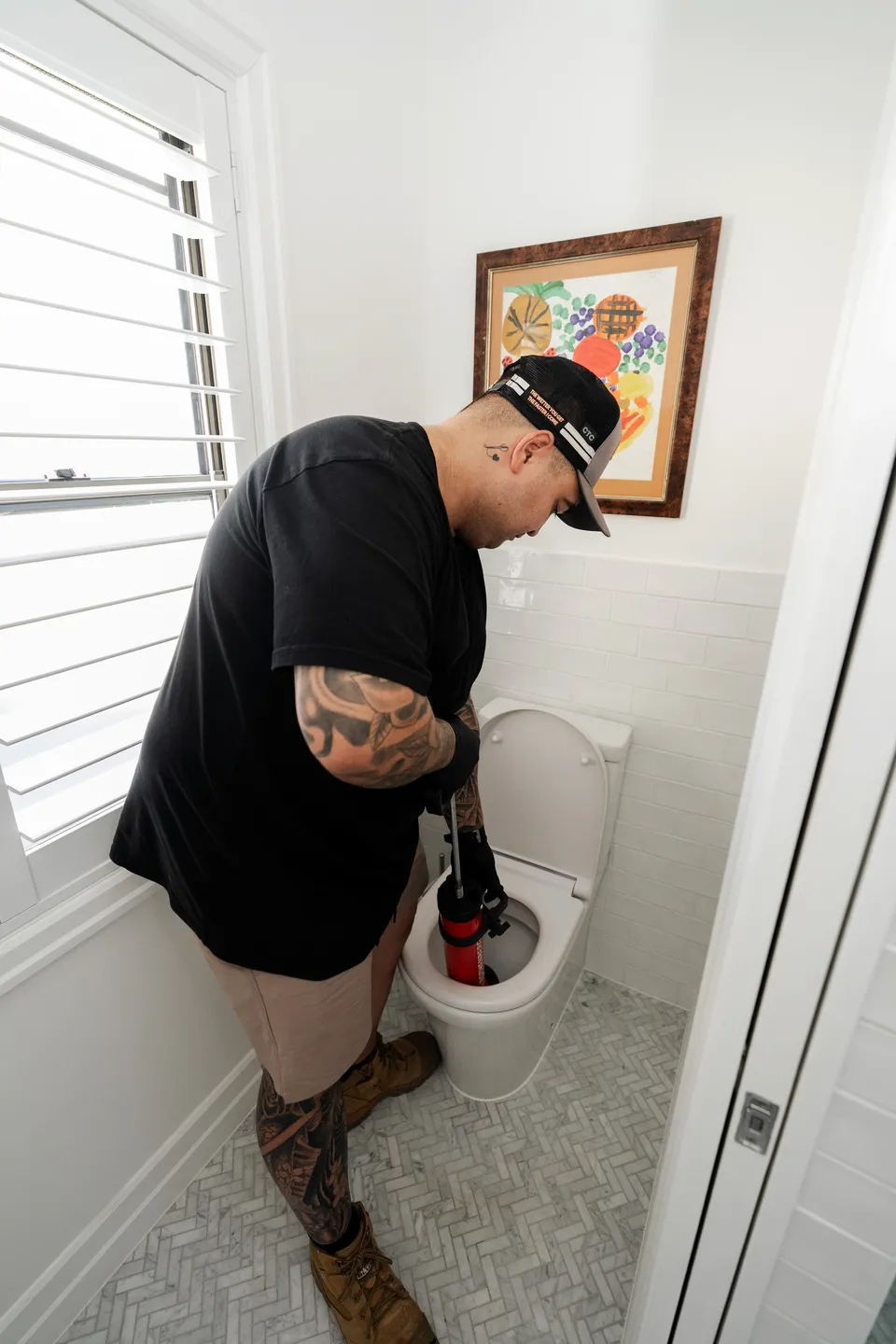
Where to Stop the Water in an Apartment
Start at the fixture itself: each tap, toilet, dishwasher and heater has its own isolation valve. Closing it stops water to that single fitting while the rest of your home keeps running.
Your lot's submeter, where one is fitted, lives in an accessible spot, typically a shared area, never inside a home. Everything between the master meter and your submeter, plus each submeter's valves and enclosure, stays under body corporate or building owner control.
Shared valves and common-area equipment stay off your to-do list. Your own fixture valve is the one you close, and an apartment plumber will handle anything beyond it.
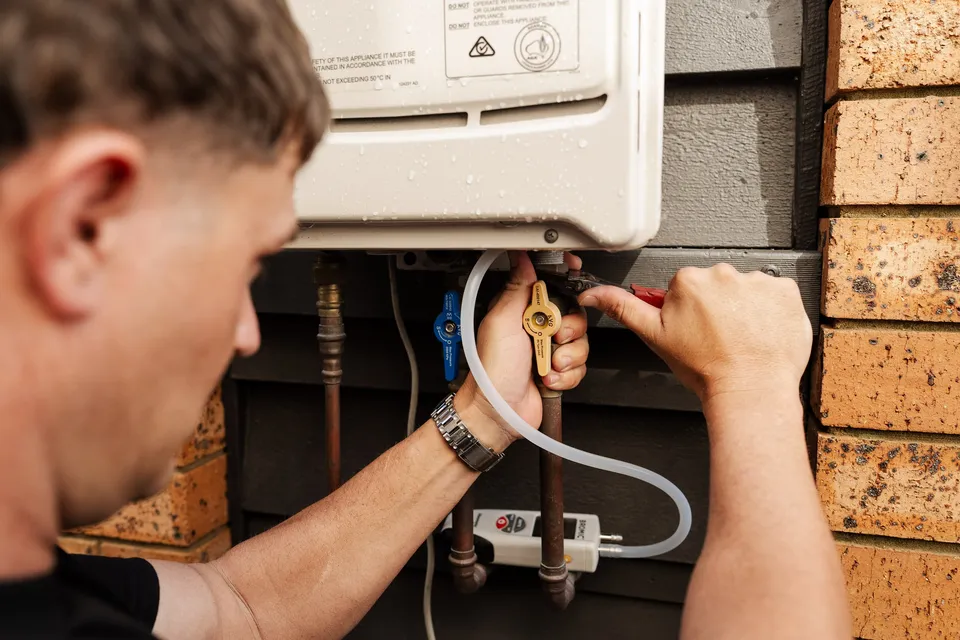
Leaks That Reach the Unit Below
Three sources cause most leaks into the home below, and each is kept by someone different:
- your shower tray: yours, even if the tray sits beyond your lot
- a water heater serving just your home: yours
- a pipe hidden in a boundary structure: the body corporate's job
Close the isolation valve at the leaking fixture first, then leave the fitting alone until repairs are booked. The maintainer of the faulty line arranges the fix, and we carry out the work either way.
For water escaping a shower recess, see leaking shower repairs; for a damp patch with no obvious source, leak detection finds it.
Census Numbers and Shared Walls
At the last census, 4511 counted 264 townhouses and 50 flats or apartments against 1,360 separate houses, so flats are a small slice of the housing stock while townhouses are everyday work.
Shared supply branches between townhouse lots mean the three checks above decide many a repair bill before we lift a tool. Compact villas around the retirement estates keep an outdoor water heater against a wall, and salt-rusted stands with seized relief valves are the usual failure when one quits.
Salt air works on under-sink braided lines too, which is one reason our flexi hose replacement work suits unit and villa kitchens.
How We Handle Unit Plumbing
- 1

Describe the problem
Phone (07) 3523 7172 or fill in the form with what you're seeing in Sandstone Point. The more we know, the better we can prepare.
- 2

We visit and sort the lot
We come out to your unit or townhouse and trace the line involved. Then we check whether it serves your home alone or shared lots, so the repair and the paperwork land with the right person from the start.
- 3
Agree on the price
A fixed quote comes before any work starts: flat-rate pricing, no hidden fees, and your go-ahead first.
- 4

Pay on completion
Card or EFTPOS on site when everything's working, or ask us about Fix now, pay later.
Plumbing job in Sandstone Point?
$0 call-out fees, available 24/7, and same-day where we can.
Unit and Townhouse Plumbing Questions
Call (07) 3523 7172Who fixes a burst pipe inside my Sandstone Point unit wall?
The wall holding it decides. A line concealed in a boundary structure is handled by the body corporate, while a line feeding your lot only, hidden in an internal wall, is yours to fix. We trace the pipe and repair it either way.
Where is the water shut-off in a Sandstone Point unit?
Each fixture and appliance has its own isolation valve, so close the one at the leaking fitting first. A lot's submeter, where fitted, lives in an accessible shared area rather than inside your home. Shared valves around submeters are not yours to touch.
Does a unit bathroom renovation need a plumbing permit?
Yes, some do. Apartment renovations can be complex enough to require a local government permit rather than the usual Form 4 notice, which your plumber files with the QBCC once notifiable work wraps up. Check with us before any work begins so the paperwork matches the job.
How do I stop a leak reaching the unit below?
Close the isolation valve at the leaking fixture or appliance, then leave the fitting alone until repairs are booked. The maintainer of the faulty line arranges the fix: you for a shower tray or a heater serving your lot, the body corporate for a boundary-structure pipe.
Is my unit's water meter inside my unit?
No, your water meter is not inside your unit. A submeter, where one is fitted, sits in an accessible shared area, never inside a home. New strata buildings subdivided since 1 January 2008 require a submeter.

Call Us About Your LotWe'll call you back.
Unit or townhouse, owner or tenant, the first step is the same.
Ring (07) 3523 7172 and tell us what's wrong. You get $0 call-out fees, a fixed quote before any work starts and same-day where we can, 7 days a week.
To claim your $0 call-out fee, call (07) 3523 7172 today.